

Functional Endocrinology Services in Mason, Ohio

At Functional Endocrinology, we provide personalized care for hormonal, metabolic and endocrine conditions using conventional endocrinology together with Functional Medicine principles.

Our approach goes beyond treating isolated laboratory values. We take the time to understand your symptoms, medical history, medications, metabolic health, nutrition and other factors that may influence how you feel.

From thyroid and hormonal health to PMOS, diabetes, cholesterol disorders and medically supervised weight management, each evaluation is designed around the individual patient.

Hormonal & Reproductive Health

Hormonal health can influence metabolism, energy, sleep, reproductive health, body composition, sexual health and overall well-being.

Our approach combines symptoms, medical history and laboratory findings to develop an individualized plan rather than relying on a one-size-fits-all hormone protocol.

PMOS – Formerly PCOS , Functional Endocrinology, Mason, Ohio

PMOS – Formerly PCOS

Polyendocrine Metabolic Ovarian Syndrome (PMOS), formerly known as Polycystic Ovary Syndrome (PCOS), is more than a reproductive condition. PMOS may involve insulin resistance, androgen excess, menstrual irregularities, fertility concerns, weight regulation, lipid abnormalities and long-term metabolic health. Our approach evaluates PMOS as a complex hormonal and metabolic condition rather than focusing only on ovarian or reproductive symptoms.

Clinical Expertise Supported by Published Research

Dr. Naila Goldenberg has extensive clinical and research experience in PCOS/PMOS, insulin resistance and metabolic health.

She has co-authored multiple scientific publications with her mentor, Dr. Charles Glueck, including research examining obesity and metabolic dysfunction in women with PCOS, insulin resistance, metformin therapy and pregnancy outcomes in women with PCOS.

This scientific background continues to influence her clinical approach today — looking beyond reproductive symptoms to understand the broader endocrine and metabolic factors that may affect each patient.

Research That Translates Into Patient Care

For patients with PMOS, this means looking beyond menstrual cycles and hormone levels.

Our evaluation may also consider insulin resistance, glucose metabolism, weight regulation, cholesterol abnormalities, cardiovascular risk and other metabolic factors that can influence both current symptoms and long-term health.

Perimenopause & Menopause Hormone Optimization,Functional Endocrinology, Mason,Ohio

Perimenopause & Menopause Hormone Optimization

Hormonal changes can begin years before menopause and may affect sleep, energy, body composition, mood, sexual health, bone health and overall well-being. We provide individualized evaluation for women during perimenopause, menopause and beyond, considering symptoms together with laboratory findings, medical history, metabolic health and personal health goals. When medically appropriate, treatment may include individualized hormone optimization and hormone replacement therapy.

Men's Hormonal Health & Optimization,Functional Endocrinology, Mason, Ohio

Men's Hormonal Health & Optimization

Hormonal health can influence energy, metabolism, muscle mass, body composition, sexual health and healthy aging in men. We evaluate testosterone together with other hormonal and metabolic factors rather than looking at one laboratory result in isolation. When medically appropriate, individualized hormone optimization may become part of the treatment plan.

Hormone Replacement Therapy, Functional Endocrinology, Mason, Ohio

Individualized Hormone Replacement Therapy

Hormone replacement therapy should not be one-size-fits-all. Treatment decisions are based on symptoms, medical history, laboratory findings, individual risk factors and personal health goals. Depending on the individual patient and medical indication, treatment options may include oral, transdermal, injectable, vaginal or other hormone formulations. Hormone pellet therapy may also be discussed when medically appropriate. We provide individualized hormonal care for both cisgender and transgender patients.

Thyroid & Autoimmune Thyroid Health

Thyroid conditions may affect energy, metabolism, weight, cardiovascular health, mood and many other systems.

Our approach evaluates thyroid laboratory results together with symptoms, medical history and other factors that may influence thyroid function.

Hashimoto's Disease Can Begin Before Hypothyroidism

Hashimoto's thyroiditis is an autoimmune condition that may begin long before routine thyroid testing shows overt hypothyroidism. Autoimmune thyroid disease can progress through different stages, with thyroid antibodies and immune activity appearing while thyroid hormone production may still remain within laboratory reference ranges. Understanding the earlier stages of autoimmune thyroid disease can provide a more complete picture of thyroid health before overt hypothyroidism develops.

Complete Thyroid Evaluation

Thyroid health cannot always be understood by looking at one laboratory value alone.

When clinically appropriate, our evaluation may consider thyroid hormone levels, thyroid antibodies, symptoms, medications, nutritional factors, metabolic health and other conditions that may influence thyroid function.

We evaluate the patient together with the laboratory results rather than treating one thyroid number in isolation.

Insulin Resistance & Diabetes

Changes in metabolic health can begin long before a patient receives a diagnosis of Type 2 diabetes.

Understanding insulin resistance and other metabolic risk factors earlier may create an opportunity to address contributing factors before the condition progresses.

Insulin Resistance, Prediabetes & Type 2 Diabetes, Functional Endocrinology, Mason, Ohio

Insulin Resistance, Prediabetes & Type 2 Diabetes

Insulin resistance, prediabetes and Type 2 diabetes are part of a metabolic continuum. Changes in insulin sensitivity may begin years before blood glucose reaches the diagnostic threshold for diabetes. Our evaluation considers glucose metabolism together with weight, lipid abnormalities, family history, medications, lifestyle and other metabolic risk factors.

Understanding the Metabolic Continuum

Metabolic health does not suddenly change on the day a patient receives a diabetes diagnosis.

Changes in insulin sensitivity, glucose metabolism, weight regulation and lipid levels can develop gradually over many years.

Our approach considers these factors together to better understand each patient’s current metabolic health and individual risk factors.

Diabetes Management

Diabetes management requires individualized medical care and ongoing monitoring.

Our practice considers glucose control together with cardiovascular risk, cholesterol, weight, medications and other endocrine and metabolic conditions.

Treatment recommendations are individualized according to the type of diabetes, current therapy, laboratory findings and each patient’s overall health.

Medical Weight Management

Weight management is influenced by much more than calories alone.

Appetite regulation, insulin resistance, hormonal health, medications, sleep, nutrition, physical activity, stress and other medical conditions may all influence body weight.

Our medical weight-management approach begins with an individualized evaluation to identify factors that may be contributing to weight gain or difficulty losing weight.

Treatment may include nutrition and lifestyle strategies, treatment of underlying hormonal or metabolic conditions and prescription weight-management medications when medically appropriate.

Semaglutide Medical Weight Management, Functional Endocrinology, Mason, Ohio, Dr. Naila Goldenberg

Semaglutide Medical Weight Management

Semaglutide may be considered for appropriate patients as part of a medically supervised weight-management program. Semaglutide is a GLP-1 receptor agonist that can help regulate appetite, reduce calorie intake and increase feelings of fullness. Treatment begins with an individualized medical evaluation that considers your health history, medications, weight-related conditions, previous weight-loss efforts, treatment goals and potential risk factors. When medically appropriate, semaglutide is incorporated into a broader weight-management plan that also includes sustainable nutrition, physical activity, lifestyle strategies and ongoing clinical monitoring.

Tirzepatide Medical Weight Management

Tirzepatide may be considered for appropriate adults as part of a medically supervised weight-management program.

Unlike semaglutide, which acts primarily through the GLP-1 pathway, tirzepatide activates both GIP and GLP-1 receptors. These pathways are involved in appetite regulation, food intake and metabolic health.

Treatment begins with an individualized medical evaluation of your health history, medications, metabolic health, previous weight-loss efforts, treatment goals and potential risk factors.

When medically appropriate, tirzepatide may become part of a comprehensive weight-management strategy that also addresses nutrition, physical activity, insulin resistance, hormonal health, sleep and long-term lifestyle changes.

Semaglutide or Tirzepatide: Which Option Is Right for You?

There is no single weight-management medication that is right for every patient.

Semaglutide and tirzepatide work through related but different hormonal pathways. Semaglutide targets the GLP-1 receptor, while tirzepatide targets both GIP and GLP-1 receptors.

The most appropriate treatment depends on your medical history, metabolic health, current medications, previous treatments, individual risk factors and weight-management goals.

At Functional Endocrinology, medication selection is individualized and incorporated into a comprehensive medical weight-management plan rather than used as a stand-alone solution.

Weight Management Beyond GLP-1 Therapy

Semaglutide and tirzepatide are not the right treatments for every patient.

Depending on your individual health profile, other FDA-approved prescription weight-management medications may also be considered when medically appropriate.

Our evaluation also looks for factors that may contribute to difficulty losing weight, including insulin resistance, thyroid disorders, hormonal changes, medications, nutrition, sleep and other metabolic conditions.

The goal is to develop a sustainable strategy that addresses the individual patient rather than focusing only on the number on the scale.

Advanced Cholesterol & Lipid Management

Cholesterol disorders can be more complex than an elevated total cholesterol or LDL result.

Our approach considers lipid levels together with genetics, family history, metabolic health and overall cardiovascular risk.

Advanced Cholesterol & Lipid Disorders, Functional. ENdocrinology, Mason Ohio`

Advanced Cholesterol & Lipid Disorders

Dr. Goldenberg has extensive experience in cholesterol and metabolic medicine, including work with the Cholesterol and Metabolism Center and the management of patients with complex and inherited lipid disorders. Evaluation may extend beyond a standard lipid panel when the patient's history or cardiovascular risk indicates that more detailed testing may be useful.

Familial Hyperlipidemia, Triglycerides & Lp(a)

We evaluate and manage complex lipid conditions including familial hypercholesterolemia, hypertriglyceridemia, elevated LDL cholesterol, elevated Lipoprotein(a) — Lp(a) — and mixed lipid disorders.

For patients with a strong family history of abnormal cholesterol or cardiovascular disease, a more detailed evaluation may help identify inherited and metabolic risk factors that are not always apparent on a basic lipid panel.

Persistent Fatigue & Unexplained Symptoms

Have you seen multiple doctors or specialists and repeatedly been told that your laboratory results are normal — but you are still tired, struggling with your weight or simply do not feel like yourself?

Fatigue is a symptom that can have many possible contributors.

Rather than automatically assigning a diagnosis of Chronic Fatigue Syndrome, our Functional Medicine approach looks more broadly at hormonal, nutritional, metabolic and systemic factors that may be contributing to persistent symptoms.

A Deeper Functional Medicine Workup

Depending on your symptoms and medical history, our evaluation may explore thyroid function, hormonal health, nutritional deficiencies, insulin resistance, metabolism, inflammation, gut health, sleep, medications and other systemic factors. Additional laboratory or specialized testing may be considered when clinically appropriate. The goal is not simply to perform more testing. The goal is to identify clinically relevant factors that may help explain your symptoms and guide individualized care.
Additional Endocrine Care

Adrenal insufficiency treatment, Dr. Naila Goldenberg, Functional Endocrinology, Maison, Ohio

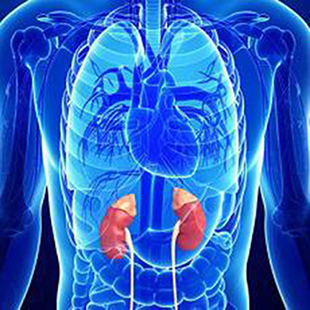
Adrenal Insufficiency & Advanced Cortisol Management

Our practice also provides specialized evaluation and management of adrenal disorders, including adrenal insufficiency. Adrenal insufficiency requires careful diagnosis, individualized medication management and ongoing monitoring. For selected patients with complex adrenal insufficiency, advanced treatment strategies including cortisol pump therapy may be considered when medically appropriate.

Why Our Approach Is Different

Functional Endocrinology combines conventional endocrine medicine with a deeper and more personalized approach.

Our appointments are designed to provide the time needed to listen carefully, review previous testing, understand symptoms and evaluate the connections between hormonal, metabolic, nutritional and systemic health.

Treatment is individualized rather than based on a standard protocol for every patient with the same diagnosis.

More Than Your Laboratory Results

A laboratory reference range is important, but it does not always tell the complete story.

We evaluate your symptoms, medical history, previous laboratory results, medications, lifestyle, nutrition and metabolic health together.

Our goal is to understand why you feel the way you do — not simply determine whether a number falls within a laboratory reference range.

More Time. More Attention. More Personalized Care.

Complex hormonal and metabolic concerns cannot always be addressed during a rushed medical visit.

Our care model allows more time when appropriate to review your medical history, previous laboratory results, medications, symptoms and treatment options.

This also gives patients more time to ask questions and better understand their health and treatment choices.

Conventional Endocrinology + Functional Medicine

We combine evidence-based endocrinology with Functional Medicine principles to provide a more comprehensive evaluation of hormonal and metabolic health.

Instead of treating one isolated symptom or laboratory result, we look for clinically meaningful connections between different aspects of your health.

Ready to Take a More Comprehensive Look at Your Health?

Whether you are dealing with hormonal changes, thyroid disease, PMOS, insulin resistance, diabetes, cholesterol abnormalities, difficulty managing your weight or persistent symptoms that have not been fully explained, our team can help you take a deeper look at your health.

At Functional Endocrinology, our approach is personal, thorough and focused on understanding the complete picture — not simply treating a laboratory number.

Contact our team in Mason, Ohio to request an individualized consultation.